
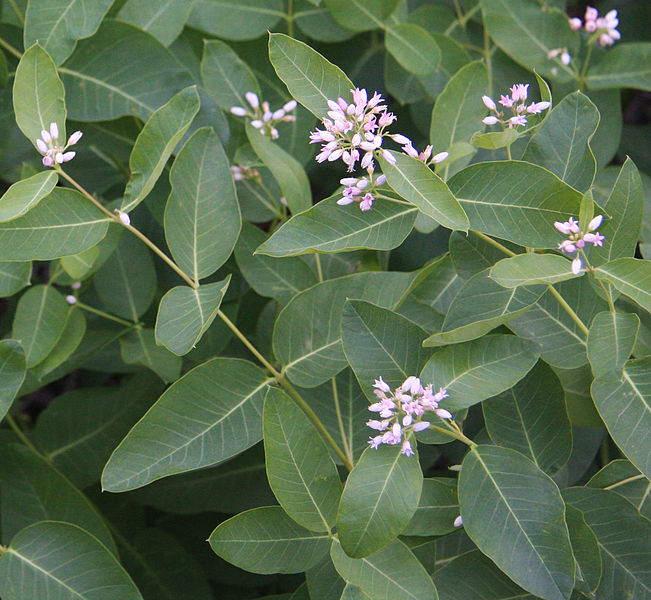
Dogbane
Dogbane (Apocynum cannabinum) is found in Asia, Eastern Europe and North America, it is also known as Indian Hemp. Native Americans used it as a source of fiber. In Asia, the Chinese used it as an herbal tea. Dogbane resembles milkweed and like milkweed is the nectar plant for some types of moths such as the Mouse Moth. Dogbane is definitely poisonous and not just for dogs. Humans need to be careful when handling it. It contains a toxin that can cause cardiac arrhythmias.
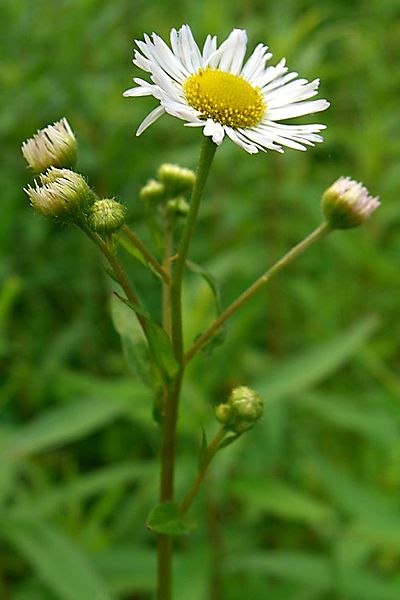
Fleabane
Fleabane (Genus Erigeron) is found in Europe and North America, it is indeed an insect repellent. In the natural world, starlings use to line their nests to prevent mite infestations. Historically, it has been stuffed into mattresses to keep fleas away. Even though it repels insects, butterflies feed on it. Fleabane is poisonous for ruminants such as cows and goats. It is also used to prevent fungus on strawberries.
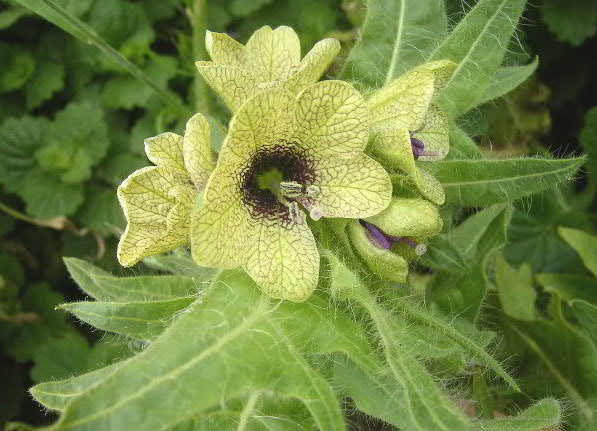
Henbane
Henbane (Hyoscyamus niger), originally found in Eurasia, it has spread all over the world. Henbane is a member of the nightshade family, the same family as peppers, potatoes and tomatoes. While toxic to most animals, like dogbane, it is the nectar plant for moths including the Cabbage Moths. Henbane contains alkaloids that can cause hallucinations and the sensation of flight. Witches used it in their so-called flying ointments which they believed could make them fly.
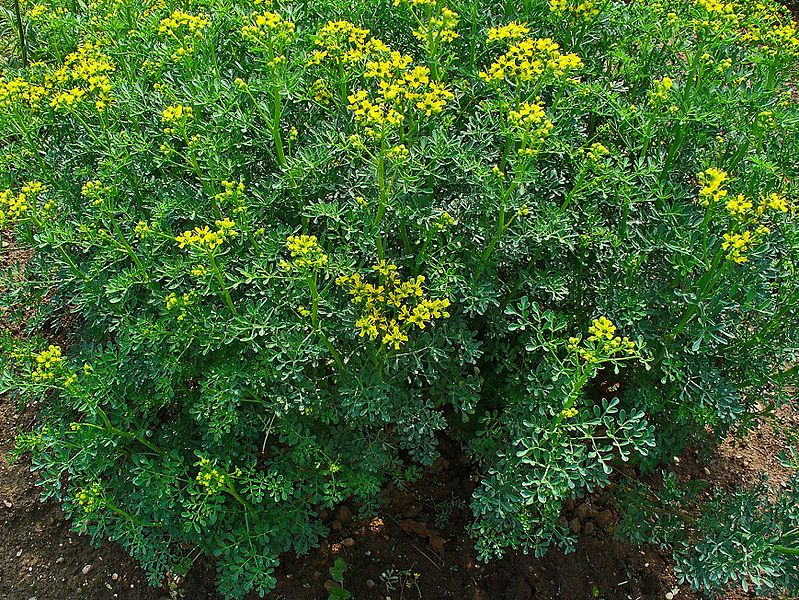
Witchbane
Witchbane (Ruta graveolens), also known as rue, it is native to southeastern Europe. It is a hardy, evergreen malodorous shrub with a bitter taste. It is effective in keeping cats out of your garden because they dislike the smell. In the past, it was used medicinally for upset stomachs but is also a powerful abortificant. Witchbane can cause blisters on the skin when handled. It was believed to repel pestilence, fleas and witches. Used to annoint Holy Water, it is known as the Herb of Grace.
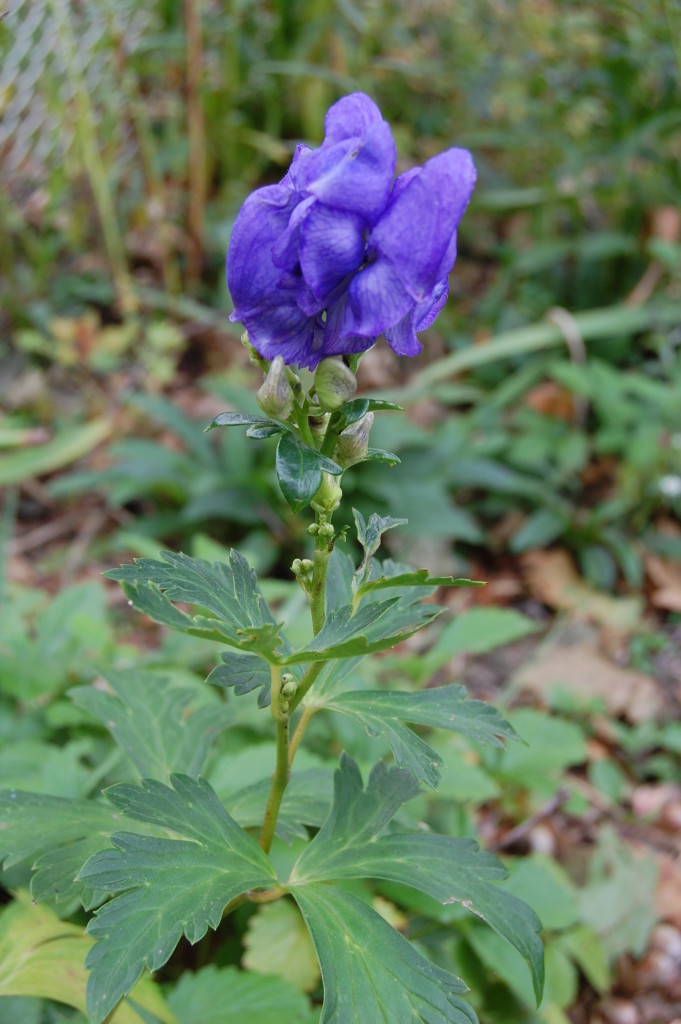
Wolfsbane
Wolfsbane (Aconitum napellus) is also known as monkshood because the flowers resemble a monk’s hood. Wolfsbane is widespread throughout the northern hemisphere. It is used in traditional Chinese medicine and Ayurvedic medicine. It is the nectar plant of several moth species. The plants contain an alkaloid which has been used to poison arrow tips for hunting, wolves being one of the prey it was used on, and warfare. The poison is easily absorbed through the skin, so you should wear gloves while handling the plants in the garden. In addition to hunting wolves, it was believed that wolfsbane kept werewolves away.